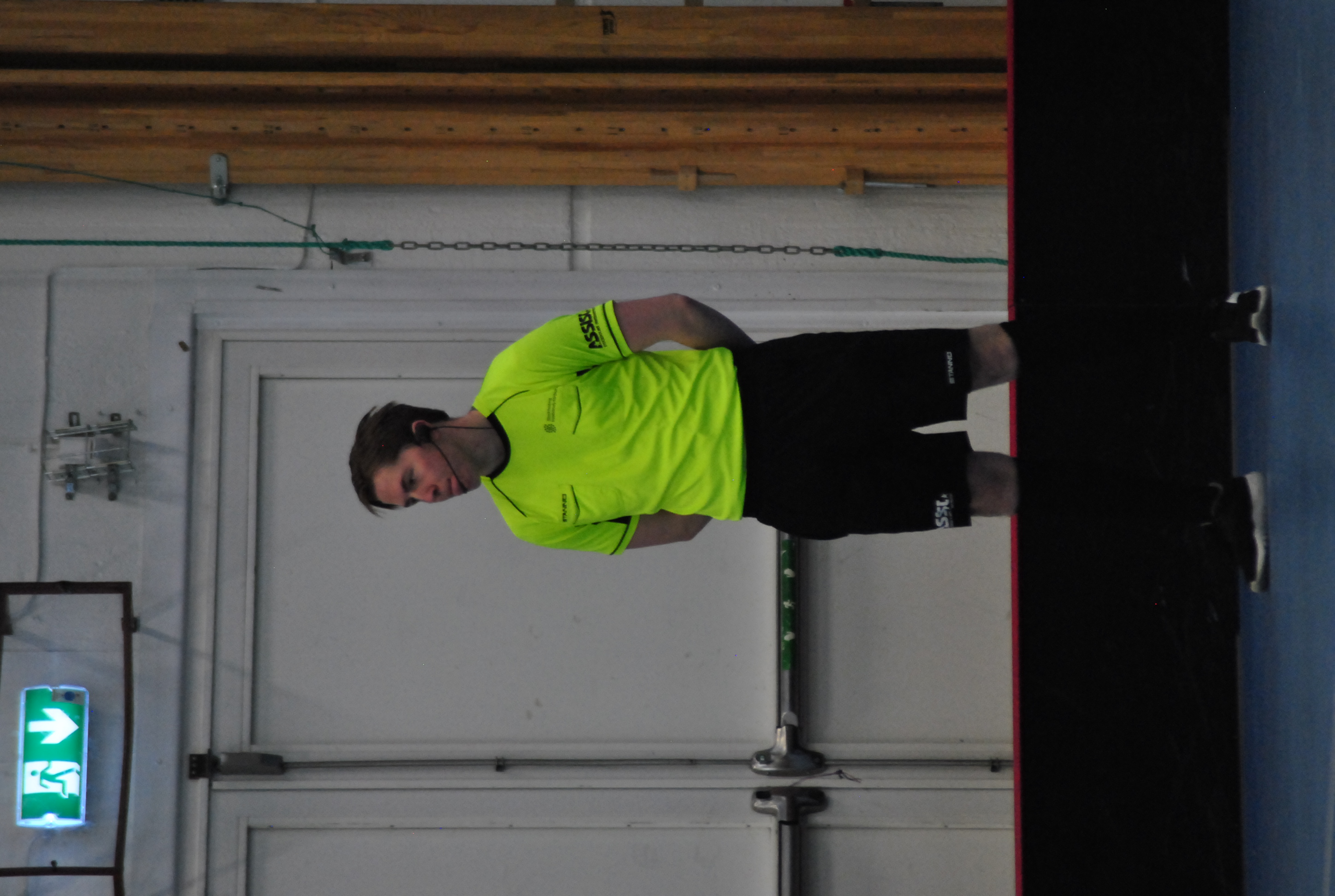
Interview: Anton Fritshammar floorball– & footballreferee 2023–02–15
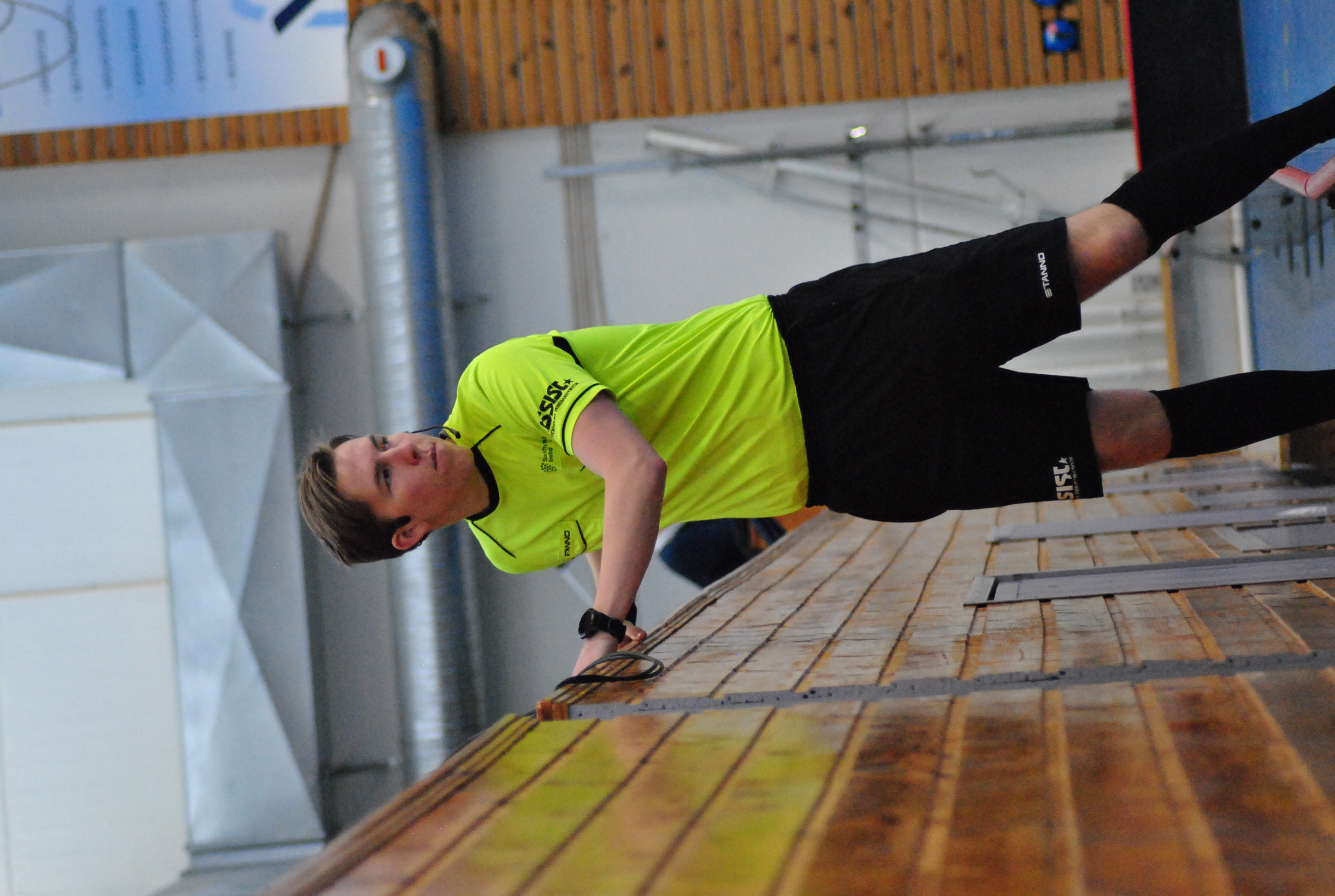
Interview with Anton Fritshammar
Anton referees both football and floorball and enjoys the combination of being able to referee in both summer and winter in Sweden. He started refereeing like many others, as a youth referee, and has been a referee ever since. He is now entering his fourth season within the district. Read the full interview with Anton below.
– Hi Anton. You referee both soccer and floorball. How long have you been a referee?
– I have always been interested in the role of referee in both sports, and initially, I started with refereeing soccer. Then, about 4 years ago, I started refereeing floorball as well. In soccer, I have progressed from being a 5-a-side referee to now officiating in the lowest men's division/juniors, and for floorball, one starts as a match official before progressing to officiating senior women's and men's matches. I have been refereeing soccer since I was allowed to, around the age of 13-14, some years with very few matches, and some seasons with more. It has been challenging to balance both my own participation in the respective sports' league play and refereeing simultaneously. I now referee both sports at the district level in Stockholm. For floorball, I mainly officiate in the junior all-Swedish league, men's division 2, and women's division 1. I have a clear ambition to move up in the league system, primarily on the floorball side, taking into account the time commitment of work, my own training, and so on. But, yes, I have been refereeing both sports for some time now.
– Is it possible to combine these two sports as a referee?
– Definitely. Absolutely. Here in Sweden, soccer is mainly played during the summer, and the floorball season starts somewhere in September and lasts until March, and then it's soccer again. I referee more floorball than soccer. Last season, I refereed 15-20 soccer matches and over 100 floorball matches. If you look at it from a referee's perspective, I breathe more floorball than soccer, but I like to have the combination, and it works very well with the seasons here in Sweden. As a referee, there are quite significant differences between the sports. Body language, movement, positioning, signals, and the whistle all differ between the two. In floorball, I referee with a fixed colleague, where we have a completely different way of working together, while in soccer, I mostly referee alone. When you are a solo soccer referee, you need to keep track of offside while also keeping an eye out for any trailing behind your back. It's definitely a challenge. In floorball, cooperation is more important to me because we are two referees, and we can work in a different way together.
– What is the best thing about being a referee?
– The best thing about being a referee, and why I referee, is that you get to see the sport from a different perspective. I like the personal contact you get with players and coaches within the sports. You can be joking, but also serious at the same time. Being authoritative but also very humble about the task, admitting your mistakes and standing your ground in your decision the next time. This combination of things, being a part of the sports, the social and, let's call it the psychology and match management, is what I like about being a referee. It inspires me to meet people, and as a referee, you get to meet not just players and coaches but also the audience, people around the match, the secretariat, and so on.
– Are there situations or matches that "you take home"? Do you often ponder over things that arise after the matches?
– The majority of my matches are recorded. Situationaly, I can sit down after the matches to watch a specific situation in order to learn from it the next time a similar situation arises. The more I watch them, the more crazy I can get about that particular situation... you can watch for ever. However, it is very good to think about, because thoughts such as "could we have prevented this in some way" or "could we have refereed it differently" come up. I usually think a lot about situations in their entirety, perhaps not just the judgment itself but what happened before and how we handled it afterwards. I try not to "take with me" the negative aspects of matches or anything else directly home, but usually try to let it go fairly quickly. However, in terms of my own development and that of us as referees, I definitely take things with me home.
– Now we're getting into some deeper things that we as referees work with, Anton. Interesting! Let's dig a little deeper. You mentioned briefly about preventing a situation. How can you prevent a situation?
– I think... to prevent a situation, there are many different ways you can do it. I believe we as referees think and act very differently, both in good and bad ways. We have to test and learn along the way. We floorball referees, as a pair, work a lot with communication. With both players and coaches. Before the game starts, we start with this, where we tell how we want it today, in our match briefing, what prerequisites we have. We talk to the players before the game, mainly the captains maybe, but also with the players during the game. Especially in floorball, where me and my colleague are very active in our role as referees, we run into situations, talk before the players have entered the situation, during the situation, and afterwards where we praise or "scold" the players depending on the outcome of the situation. This leads to us being able to "sell" our decisions more easily and get greater acceptance immediately following the situation. In football, I feel like you just referee, point, warn, and talk, of course, but it's larger areas, something more square. In floorball, the areas are tighter and things happen absolutely all the time. Prevention is difficult, but it's important to start working as soon as you get to the game, to the locker room, and until you leave. You will referee the same team again, and it's important to be able to have a dialogue after the game as well.
– In many sports, there is talk of a shortage of referees and a tough working environment. What do you think?
– I think that referees need support in the form of mentors, especially for younger and newer referees. As a referee, there are big steps to take, for example from youth referee to district referee, from district to elite and so on. I think we need a clear thread from the start and all the way up, and this is lacking today in many different sports where some have come further than others. We need clear mentorship programs from start to finish. Then there are many who referee as a hobby and do not want support, and we have to respect that too. There are many players who play because it's fun. We referee because we, hopefully, enjoy it too. But mentorship for those who need support, especially from the beginning, is crucial. It's a tough working environment and has become even harder, but it's a big and difficult question that we need to work more actively with. I belong to the Stockholm floorball association and here the district has come a long way, which is of course great, but it is lacking in several other districts and especially in other sports. In all my years as a soccer referee, I have had very few observations. What I really want to emphasize here is that if you as a referee want support or help with a difficult situation - there are many who want to help you!
– Back to you Anton. Do you have any goals with your refereeing, short-term or long-term?
– We are looking at floorball, because that's where I have my ambition even though I love football, watch football, and have played football my whole life. My short-term goal in floorball is to move from district level to federation level within a couple of years. It's a lot about getting more experience, as well as establishing a good and functional cooperation with my fellow referee. So far, I have refereed about three full seasons in the league system and will soon turn 22 years old. My long-term goal is to referee as high up in the league systems as possible. In a dream scenario, it's a sold-out Swedish Championship final between rivals Storvreta and Falun!
– Thank you Anton, and we from Spintso wish you good luck with everything. Any advice to those who are reading this perhaps?
– Yes. Are you considering becoming a referee? Take a referee course! It's fun and as you become more experienced, you'll get better matches, which makes it even more enjoyable. You get to know more people and meet wonderful people. Don't hesitate to start refereeing! Thank you!