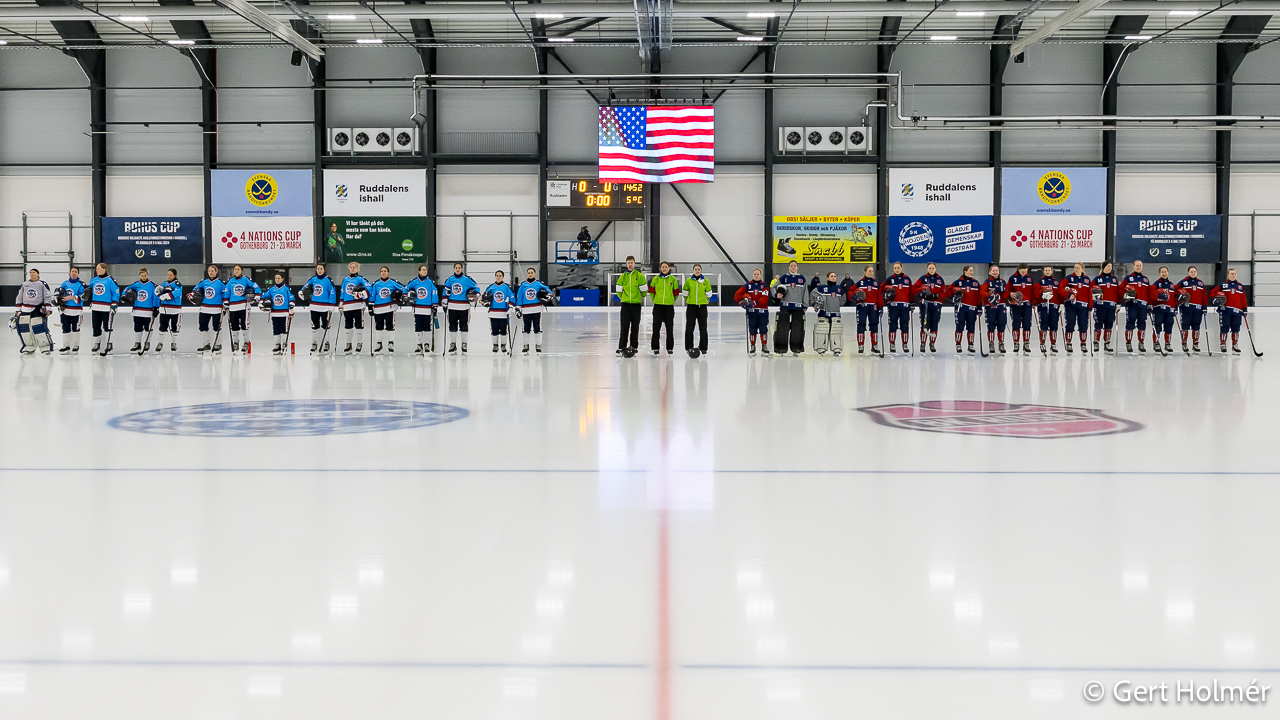
Interview: Jonathan Grund, referee in bandy 2025-02-14
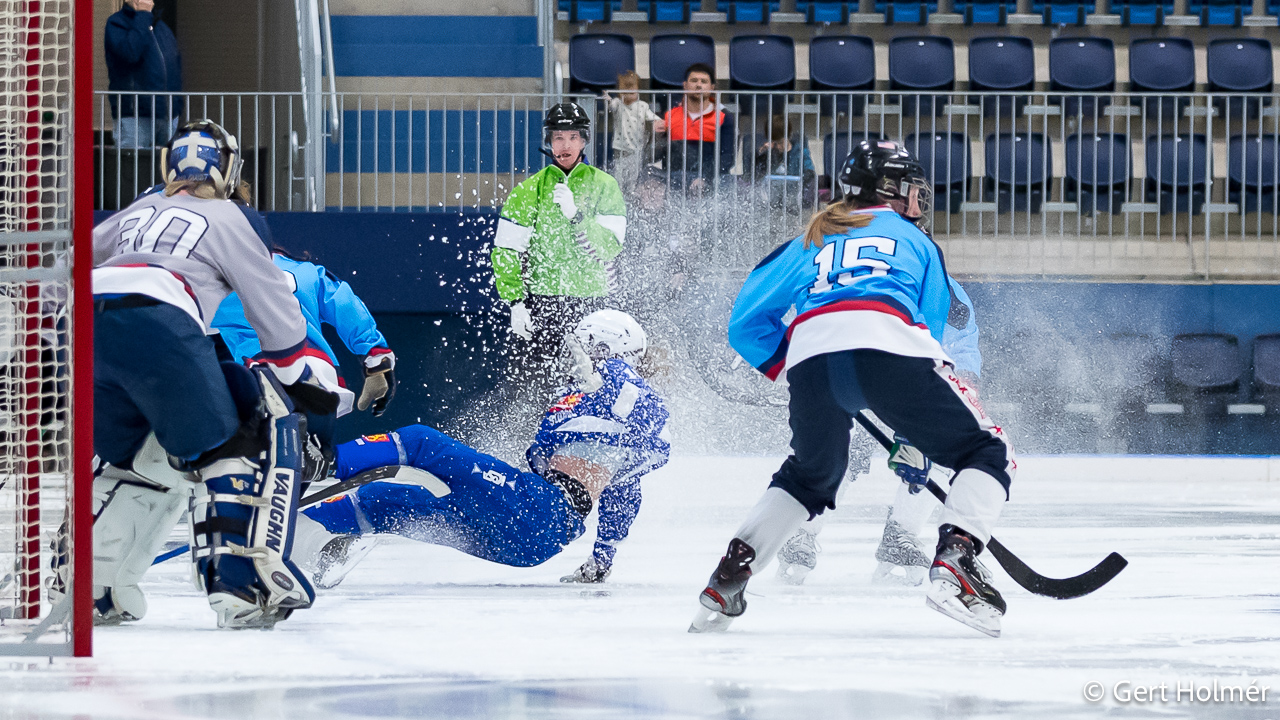
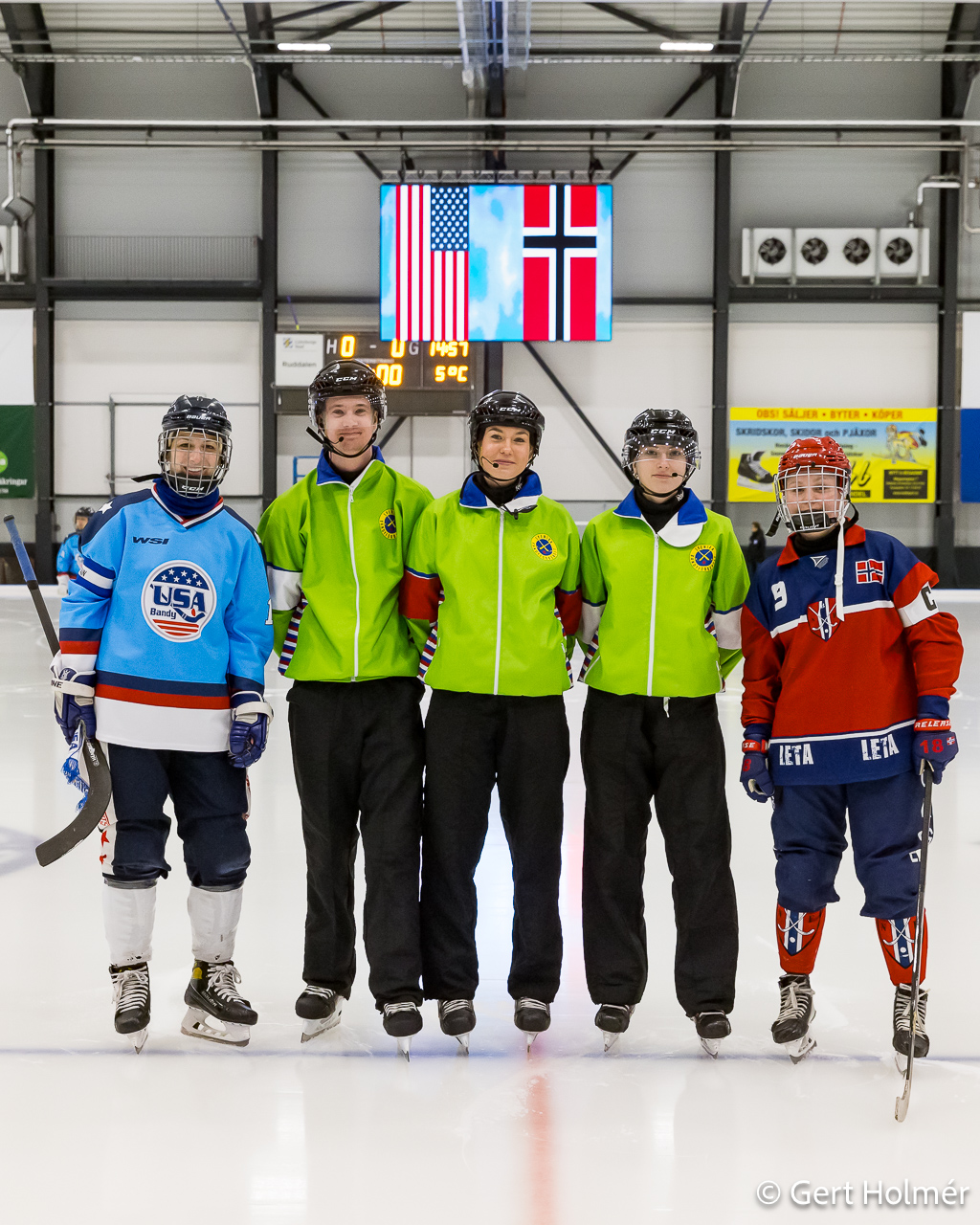
Photo: Gert Holmér
Interview with Bandy Referee Jonathan Grund
Refereeing bandy is more than just blowing a whistle – it involves skating technique, game understanding, and being able to handle intense situations at high speed. Jonathan Grund, raised in the bandy-crazy town of Lidköping, has gone from pretending to be a referee in his living room to officiating on the ice in higher leagues. In this interview, he talks about his journey, why he loves being a referee, and the challenges of managing a sport where the ball can fly over 120 km/h. And why does he think football should adopt a specific bandy rule? Read on to find out!
– Hi Jonathan, how are you, and who are you?
– Hi, everything is great. I’m originally from Lidköping and recently moved to Stockholm to study live broadcasting. My goal is to work in TV in the future, including sports broadcasts. Right now, I’m aiming to work as a cameraman, for example, but we’ll see what happens along the way.
– You didn’t mention it just now, but you’re also a referee, right?
– Yes, I referee both football and bandy. Currently, it’s bandy season. Even though the football season is around the corner, my focus is mainly on bandy. 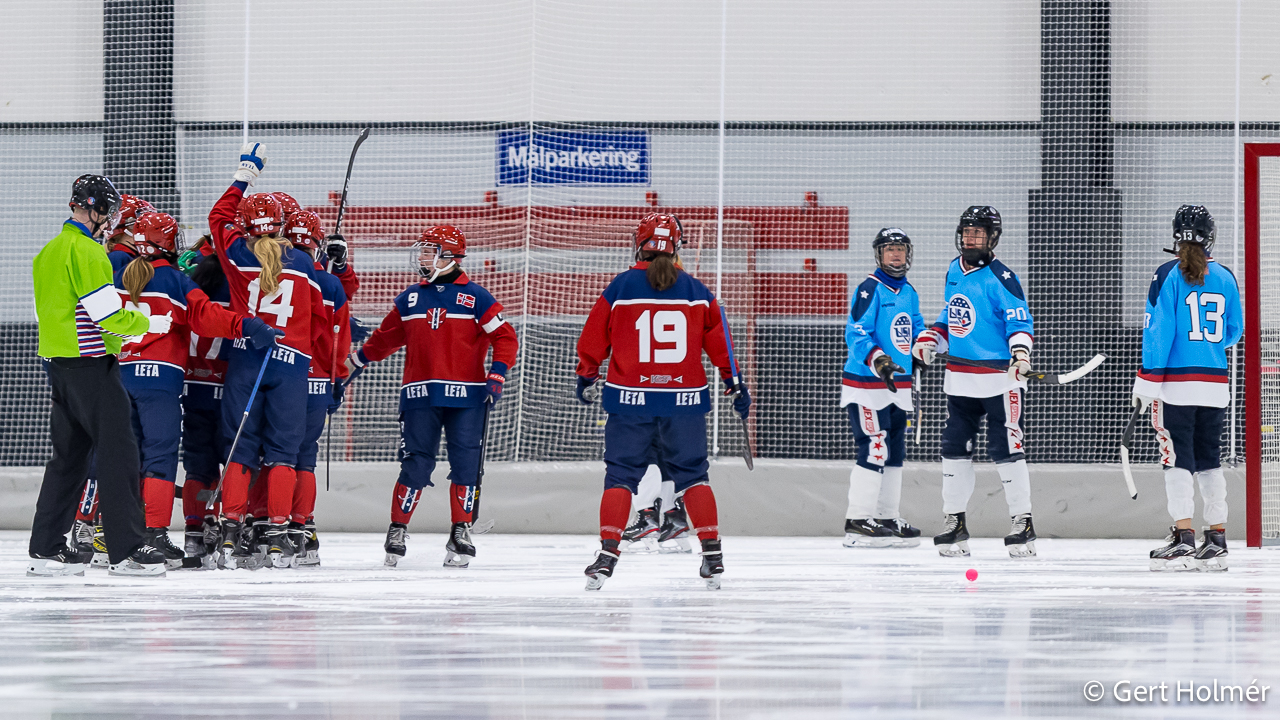
– Bandy is a relatively well-known sport in Sweden and some parts of Northern Europe, but it’s quite unknown elsewhere. How did you get into it?
– Since I’m from Lidköping, where everyone loves bandy, I naturally got into it too. I’ve always had a thing for blowing a whistle. Ever since I was little, I ran around with a whistle in our living room. I started by refereeing in our team when no one else wanted to do it, and since I was interested, they let me. Later, I was asked by Villa Lidköping to become a club referee. There, I got a lot of help from Per Bergstrand, who laid the foundation for where I am today. My coach then asked if I wanted to referee at the district level for the Swedish Bandy Federation. I said yes and tried a match in Skövde. It was like water polo—it was pouring rain and windy—but I had fun anyway. That’s how it started, and now I’m one step below the Allsvenskan in bandy.
– Many people might associate bandy with outdoor games in rain, snow, and wind. But there are plenty of indoor arenas in Sweden, right?
– Yes, as you mentioned, there are. In some places, we’re very fortunate to have great indoor facilities for bandy, and it’s becoming increasingly common.
– Let’s rewind a bit. Some people reading this may never have seen bandy. Can you briefly explain what bandy is?
– I’d describe it as a mix between football and hockey. The field is the same size as a football field. The speed is more like hockey. You play with a stick, skates, and a ball. The physical contact is somewhere between football and hockey. The rules differ a bit, but if you mix football and hockey, you’ll get a pretty good picture of bandy.
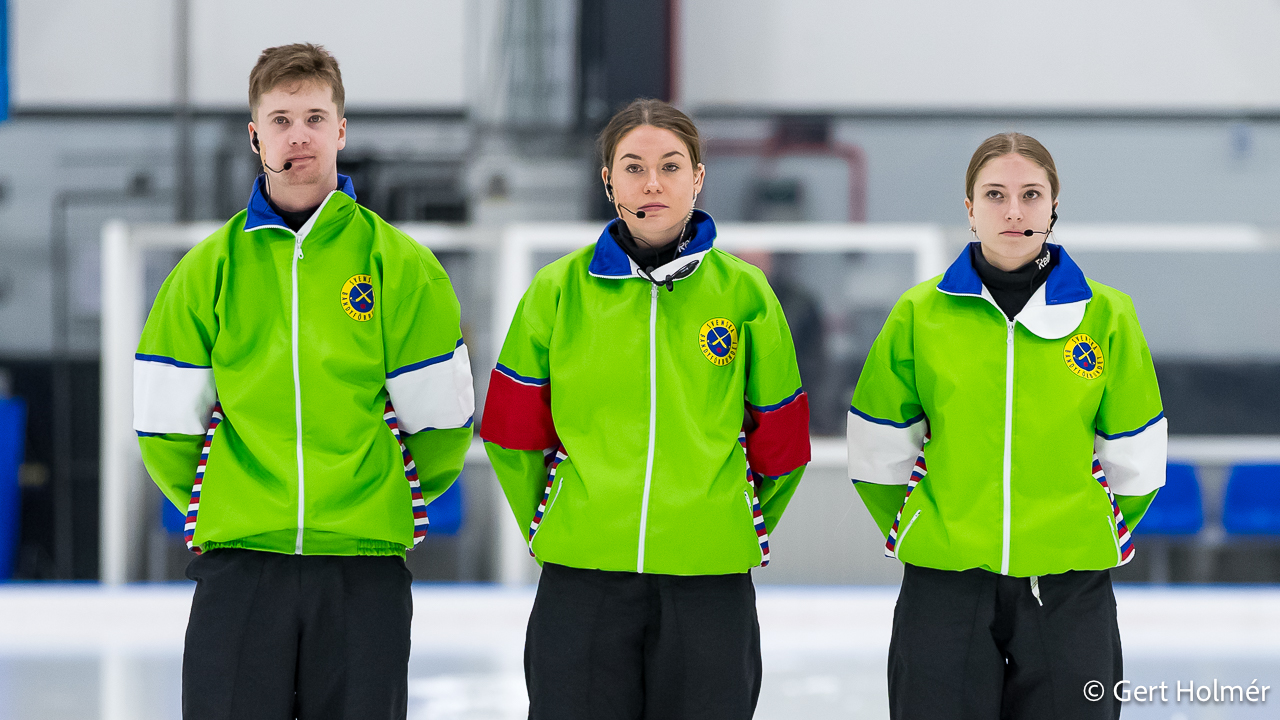
– What’s it like to referee a bandy match?
– Right now, we mainly focus on stick fouls. In hockey, you can lift another player’s stick and use it a bit before getting a penalty. In bandy, if you use your stick on an opponent, it usually results in a free stroke. If you hit their hands, it could even be a penalty. We’re also trying to eliminate hip checks.
– In bandy, there are three referees, like in football. Can you explain how you work as a team?
– Yes, we’re usually three referees, just like in football. Sometimes we use a two-referee system in lower divisions. We have a head referee and two assistant referees. One big difference from football is that assistant referees in bandy also carry a whistle and can call offsides and free strokes. The assistant referees can also cross the halfway line if necessary, which doesn’t happen in football.
– Let’s talk about the offside rule in bandy. How does it differ from football?
– In bandy, we talk about "air" between players. A toe can’t be offside; there must be clear space between players for it to count as offside. If we assistant referees call it, it’s offside—there’s no debate with the head referee.
– How do corners work in bandy?
– A corner is taken similarly to football. The assistant referee checks that the ball is placed correctly, then gives the signal. The head referee makes sure defenders don’t rush too early. It’s a clear goal-scoring opportunity. Teams often aim to get corners because the chance of scoring is quite high compared to football.
– If you could bring one rule from bandy to football, what would it be?
– Flying substitutions. In bandy, we have them all the way up to the elite level. In Swedish football, it’s only allowed up to Division 4. I think flying substitutions would speed up the game and make it more fun to watch. Players could give their all for shorter bursts and then rest before coming back in.
– What are the referee fotness tests like in bandy?
– We have a technical test where we skate figure eights around the free-stroke circles, alternating between forward and backward skating. Then there’s a fitness test similar to the beep test in football. We skate 40 meters within 8 seconds five times, rest for 30 seconds, and repeat this about 70-80 times, covering over 3 kilometers.
– How far do bandy referees skate in a match compared to football referees?
– It varies, but we generally cover about the same distance, sometimes more. I’ve tracked up to 15 kilometers with a GPS watch in one match, and just under 10 kilometers in another.
– You mainly officiate as an assistant referee?
– Yes, I prefer being an assistant. Occasionally, I get a match as the head referee, but I enjoy being on the line more.
– Why do you prefer that, you think?
– I feel like I have responsibility but not as much as the head referee. I enjoy taking some calls, like offsides and free strokes. In the end, we work as a team, and everything should flow well between the three of us.
– Thank you for the interview, Jonathan.
– Thank you! I’d like to encourage everyone who hasn’t seen bandy to give it a try. Bandy is best experienced live, but it’s also great on TV. Watch how players skate—the player with the ball usually skates straight, while the others skate in arcs. If you lose track of the ball, watch the players’ movements to find it again. So, give bandy a chance—it’s a fun sport!